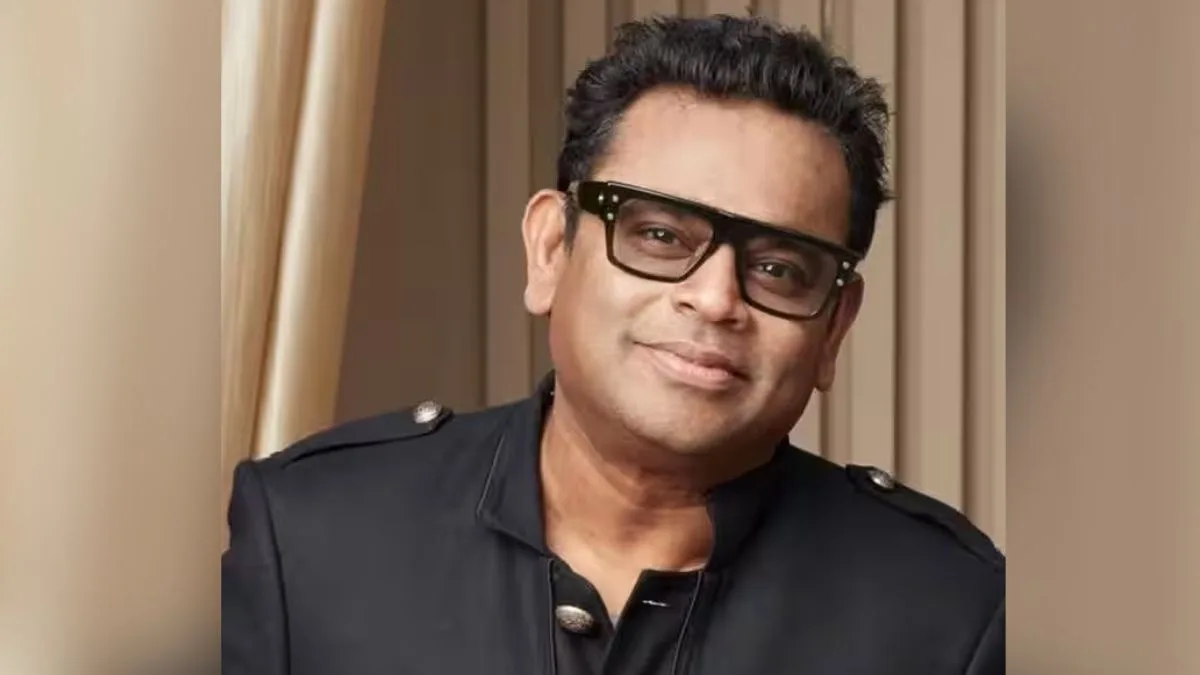
Music composer AR Rahman on Friday agreed before the Supreme Court to display credits acknowledging the Dagarwani tradition in the song Veera Raja Veera from the film Ponniyin Selvan II, pending final adjudication of the copyright dispute.
A Bench of Chief Justice Surya Kant, Justice Joymalya Bagchi and Justice Vipul M. Pancholi recorded the statement made on Rahman’s behalf by senior advocate Abhishek Manu Singhvi that, as an interim arrangement, all OTT and online platforms will carry a credit line stating that the composition is inspired from the Dagarwani Dhrupad tradition and was first recorded by Late Ustad M. Faiyazuddin Dagar and his nephew, Ustad Faiyaz Wasifuddin Dagar.
Advertisement
“Composition inspired from Dagarwani tradition Dhrupad, first recorded by Late Ustad M Faiyazuddin Dagar and his nephew,” the credit will say.
The Court noted the submission of Senior Advocate Abhishek Manu Singhvi that the composer Rahman had already acknowledged the Dagars as the first renderers and was willing to reflect the same in the song credits. The Bench directed that the revised credit be displayed within five weeks.
It further ordered that the ₹2 crore deposited earlier pursuant to the Delhi High Court’s single-judge order shall remain with the Registrar General of the High Court. The pending civil suit will proceed uninfluenced by observations of either court.
During the previous hearing on February 14, the Supreme Court had observed that while the first performance of the Dagarwani tradition Dhrupad by the Dagars does not automatically establish their authorship, there ought to be due acknowledgement of the Dagarwani contribution to the classical tradition underlying the composition.
The dispute arises from a suit filed by Ustad Faiyaz Wasifuddin Dagar, who claims that Veera Raja Veera substantially reproduces Shiva Stuti, composed by his father Nasir Faiyazuddin Dagar and uncle Zahiruddin Dagar. A single judge of the Delhi High Court had earlier found a prima facie case of infringement and directed shared credit and deposit of ₹2 crore. However, a Division Bench later set aside that interim order, prompting Dagar to move the Supreme Court.